
Excise Tax UAE
Excise Tax UAE support for registration, records, calculations, returns, documentation, compliance review, and FTA readiness.
Explore service
Excise Tax Registration Readiness and Document Support
Excise Tax registration in the UAE should be reviewed before excise goods move too far through the business. Import, production, stockpile, warehouse, and distribution activity can create obligations that depend on taxable goods exposure, product classification, documents, records, and compliance readiness.
Review Registration Exposure Before Excise Goods Create Compliance Pressure Registration pressure increases when goods are imported, stored, produced, distributed, or released before product classification, stock records, invoices, and application documents are organized. Once activity starts, weak records become harder to clean quietly.

Direct answer:
Excise Tax Registration UAE support helps businesses review taxable goods exposure, business activities, required documents, application readiness, and compliance obligations after registration.
NAMC supports Excise Tax registration readiness through taxable goods review, business activity analysis, document organization, records checks, application preparation support, and tax compliance guidance.
The role remains advisory-safe and documentation-led: no approval guarantee, no FTA representation claim, no customs-authority role, and no government decision-making claim.
In practice
Excise Tax registration support begins by checking whether the business activity and goods create exposure. The review looks at what the company imports, produces, stockpiles, stores, distributes, or releases, then checks whether the records support a clean registration-readiness position.
The problem is rarely limited to an application form. A registration file may depend on product classification, trade licence activity, ownership details, customs documents, purchase and sales invoices, warehouse records, stock movement schedules, production records, and accounting entries.
If those records are incomplete, the business may still move goods while management lacks clarity over registration obligations, return filing responsibilities, and FTA-readiness. That is where advisory review becomes practical.
Fragility appears when operations, logistics, warehouse teams, and finance hold different pieces of the excise picture. Product data may sit with suppliers, stock records with operations, and tax calculations with finance.
NAMC reviews business activities, goods handled, classification support, required document readiness, stock and warehouse records, accounting evidence, and post-registration compliance implications.
Waiting until goods are already moving can compress product review, document recovery, registration preparation, calculation setup, and filing-readiness work into the same urgent period.
Service areas
Registration review becomes important when the business touches excise goods at any serious point in the supply chain. Exposure may start before finance teams see the full tax impact.

Importers should review whether goods, customs records, supplier documents, and UAE market release activity create registration and filing responsibilities.

Manufacturers and producers may need to connect production data, quantities, product classification, stock records, and excise calculation support.

Businesses holding excise goods should review whether stock positions, warehouse balances, and movement records create registration exposure.
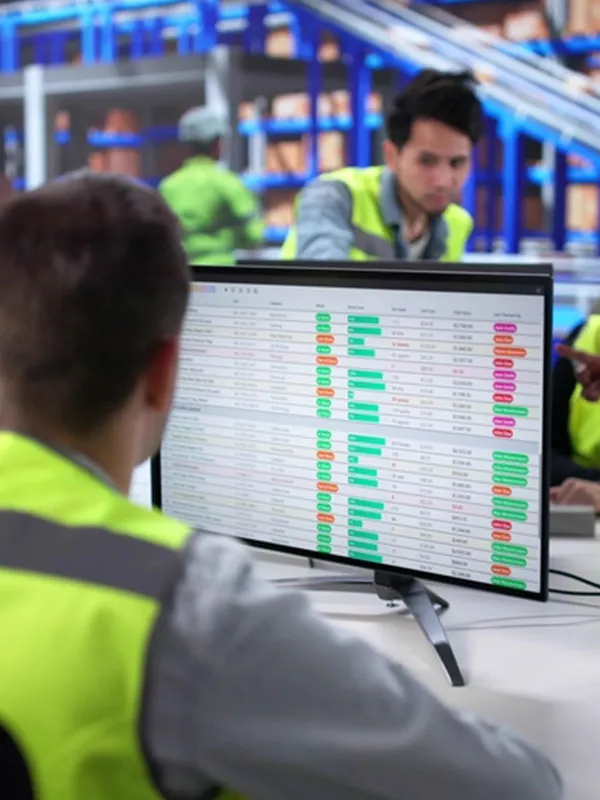
Warehouse activity can create compliance pressure when records do not clearly show quantities, location, movement, and release status.

Distributors may need stronger records when stock movement, invoices, and goods classification affect downstream tax visibility.

Businesses selling or trading excise goods should review supplier invoices, product categories, stock records, and tax responsibilities before assuming no registration exposure exists.
Importers should review whether goods, customs records, supplier documents, and UAE market release activity create registration and filing responsibilities.
Manufacturers and producers may need to connect production data, quantities, product classification, stock records, and excise calculation support.
Businesses holding excise goods should review whether stock positions, warehouse balances, and movement records create registration exposure.
Warehouse activity can create compliance pressure when records do not clearly show quantities, location, movement, and release status.
Distributors may need stronger records when stock movement, invoices, and goods classification affect downstream tax visibility.
Businesses selling or trading excise goods should review supplier invoices, product categories, stock records, and tax responsibilities before assuming no registration exposure exists.
Once goods move through customs, warehouse, sales, and accounting records, registration review becomes harder if the original product and stock evidence was not organized early.
Check Excise ExposureIn practice
Excise Tax registration exposure often begins in procurement, customs, operations, warehouse, or product planning before finance sees the full compliance picture. A supplier description changes. A shipment arrives. A product category is updated. A warehouse balance moves without a matching tax schedule.
Management may believe registration is a finance issue. In reality, the registration file is built from operational records. If product data, import documents, stock movement, and accounting evidence do not align, the application and later compliance process become harder to support.
The application may be only the first visible step. The records behind it decide whether the business is ready for what comes after registration.
Product classification and taxable goods exposure
Import, production, storage, or stockpile activity
Warehouse balances and stock movement records
Customs declarations and supplier documents
Purchase and sales invoice trails
Accounting entries and tax calculation readiness
How it works
A controlled registration review moves from exposure analysis to document readiness, then from application preparation to post-registration compliance planning.
The business activity is reviewed to understand whether importing, producing, stockpiling, warehousing, distributing, or selling excise goods may create registration exposure.
Product categories, supplier information, customs records, descriptions, ingredients where relevant, and commercial documents are reviewed for excise relevance.
Trade licence details, ownership information, invoices, customs documents, product data, accounting records, and stock records are organized into a registration-readiness file.
NAMC helps check whether the business has enough supporting information for a clearer application preparation process, without guaranteeing approval or authority acceptance.
Post-registration obligations are reviewed so management understands records, calculations, returns, payments, stock movement tracking, and FTA-readiness expectations.
Comparison
Excise Tax registration is not the end of the process. It creates the structure for future records, calculations, returns, and FTA-readiness.
Registration Readiness
Confirm exposure, activity, goods, documents, and application-readiness position.
After Registration Compliance
Maintain records, calculate excise tax, prepare returns, track stock, and respond to compliance questions.
Registration Readiness
Trade licence, product details, import or production records, stock data, ownership details, and business activity support.
After Registration Compliance
Invoices, stock movement records, warehouse balances, excise calculations, returns, payment records, and FTA correspondence.
Registration Readiness
Businesses apply before classification, stock records, or required documents are clearly prepared.
After Registration Compliance
Registered businesses file returns without strong records or calculation support behind the figures.
Registration Readiness
Registration exposure is underestimated before goods move.
After Registration Compliance
Ongoing compliance becomes reactive after registration instead of controlled from the start.
Service areas
A stronger registration file separates business identity, goods exposure, stock evidence, and accounting support so the application is not built from scattered records.
Trade licence, business activity details, ownership information, import, production, stockpile, warehouse, distribution, or sales activity.
Product descriptions, supplier documents, customs records, classification support, quantity details, and excise goods exposure review.
Invoices, ledgers, stock schedules, warehouse movement, production records, calculation support, and post-registration return-readiness records.
Comparison
Excise Tax registration and VAT registration serve different compliance purposes. VAT registration usually depends on taxable supplies and turnover-related obligations, while Excise Tax registration depends on handling specific excise goods and activities connected to import, production, stockpiling, storage, distribution, or release.
A business can misunderstand its exposure when it treats VAT registration as enough. Excise goods create a separate evidence trail involving product classification, stock movement, quantities, warehouse records, customs documents, and excise calculations.
Both systems may need to connect through accounting records, but the compliance logic is not the same.
Excise goods exposure
Product classification
Import, production, or stockpile activity
Warehouse and stock movement records
Excise return and calculation readiness
Taxable supply activity
VAT turnover thresholds
Input and output tax reporting
Tax invoices and credit notes
VAT return filing obligations
Risk view
Many registration problems start before the application is prepared. The business moves goods first and tries to organize the tax file later.
Registration is reviewed only after goods have already been imported, stored, or distributed.
Product treatment is based on assumptions, supplier labels, or internal descriptions without enough supporting detail.
Warehouse quantities, movement records, and accounting schedules do not match clearly.
Trade licence details, invoices, customs records, product data, or ownership information are not prepared together.
Tax calculations and registration preparation become difficult when warehouse and finance teams use different records.
The business focuses on the application but does not plan for returns, payments, recordkeeping, or future FTA-readiness.
A cleaner excise file gives management better visibility over exposure, documents, calculations, and obligations after registration.
Prepare Registration FileService areas
Cost depends on the business activity, product complexity, document condition, and amount of registration-readiness work required.

More products usually require deeper classification review and stronger document organization.

Import, production, stockpile, warehouse, distribution, and sales activity create different registration-readiness demands.

Clean trade licence, product, customs, invoice, and stock records reduce review pressure.

High movement volume or multiple storage locations may require deeper stock and warehouse record review.

Compressed timelines can require faster document recovery, evidence cleanup, and application-readiness checks.

Some businesses need support beyond registration, including returns, calculations, compliance file setup, and FTA-readiness.
More products usually require deeper classification review and stronger document organization.
Import, production, stockpile, warehouse, distribution, and sales activity create different registration-readiness demands.
Clean trade licence, product, customs, invoice, and stock records reduce review pressure.
High movement volume or multiple storage locations may require deeper stock and warehouse record review.
Compressed timelines can require faster document recovery, evidence cleanup, and application-readiness checks.
Some businesses need support beyond registration, including returns, calculations, compliance file setup, and FTA-readiness.
Keep exploring
Excise Tax registration often connects with ongoing Excise Tax compliance, VAT review, FTA penalty review, and tax audit readiness.
Excise Tax UAE support for registration, records, calculations, returns, documentation, compliance review, and FTA readiness.
Explore serviceExcise Tax Consultant UAE support for product classification, taxable goods exposure, pricing impact, filing discipline, and FTA readiness.
Explore serviceExcise Tax Return Filing UAE support for return data review, calculations, records, documentation, and filing accuracy.
Explore serviceExcise Tax Compliance UAE support for records, declarations, product classification, stock tracking, calculations, timelines, and internal controls.
Explore serviceFAQ
 Get in touch
info@namc.co.ae
Working hours
Sunday to Thursday 09:00 AM - 07:00 PM Friday & Saturday - Closed
Book your free session with our team and discover solutions crafted for your business.